

Creatives must remain informed about new trends, technologies, and developments. Some trends are temporary, while others shape our environment and how we do our work. No trend has been as impactful this decade as the rise of AI in graphic design and other creative fields.
AI has taken center stage in recent discussions, especially with the surge of tools like OpenArt. This technology has generated a mixture of excitement and concern. While some appreciate AI's convenience, it raises significant worries across multiple fields. The big question is what role will AI play in design, and how can creators adapt?
Let's examine both sides of the AI coin, considering its potential to revolutionize and complicate the design world.
What is Generative AI?
Before we get into the debate, it’s vital to understand what we mean by AI, especially regarding design. When we talk about AI, we’re explicitly talking about generative AI—algorithms that create new things, including everything from images to text, audio, code, etc. These tools generate original content based on massive data sets, which can be both a blessing and a challenge for creatives.
The Challenges of Generative AI in Graphic Design
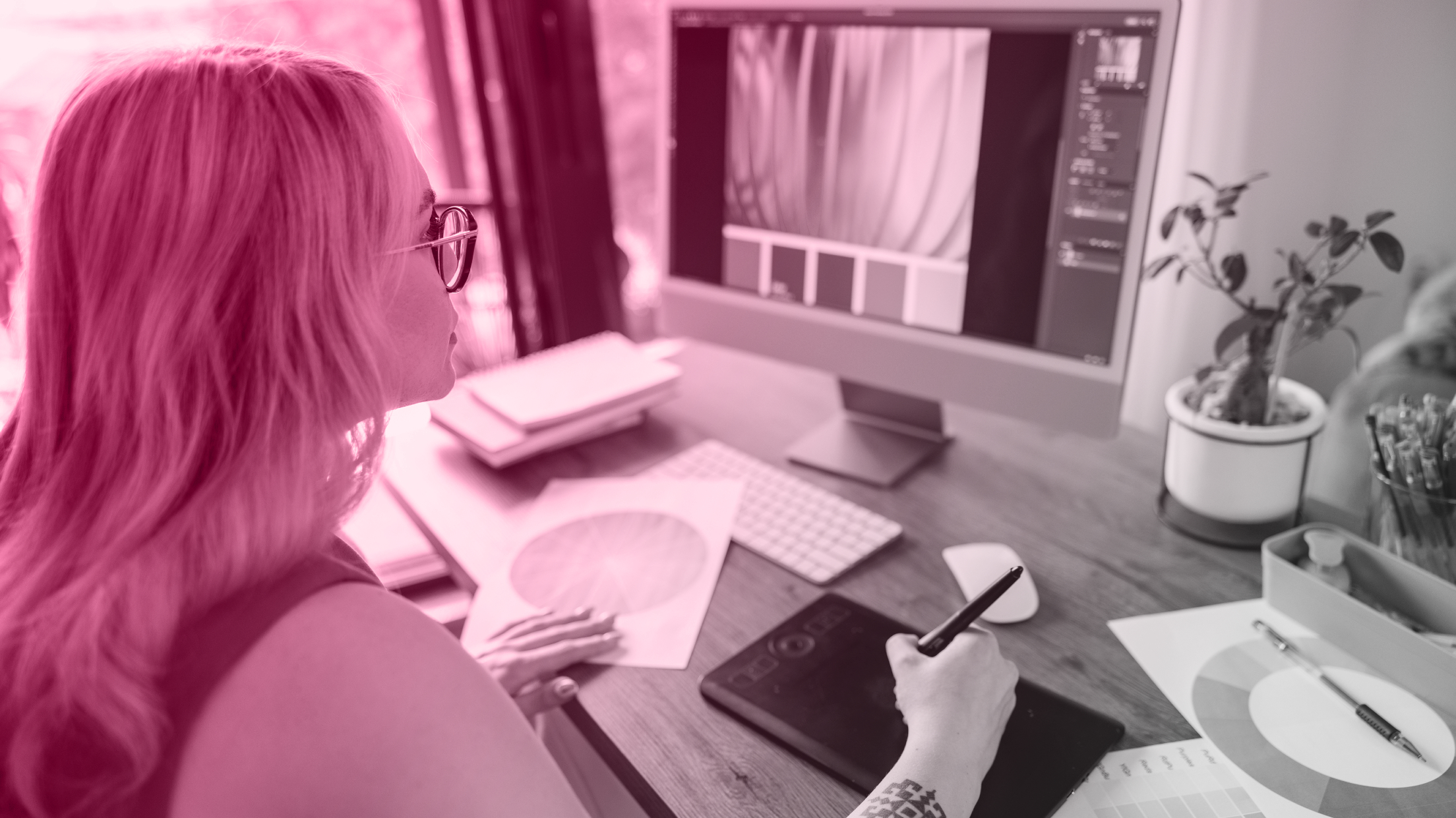
What does this mean for artists? Artists and designers are among those most affected by this new technology. While some have embraced AI in their careers, many are outspoken against its use mainly because of uncertainty around the future of creativity.
You may wonder whether creative professionals are using AI. While it's difficult to make broad statements, many professional illustrators and designers have not widely adopted AI in graphic design for several reasons. In fact, there are instances where AI has proven detrimental to artists. But why is that?
Ethical Dilemmas
One of the biggest ethical concerns surrounds how these AI algorithms are trained. Many learn by analyzing massive datasets, which often include artwork, images, and designs from human creators—often without their knowledge or consent. This practice has sparked heated debates, as companies that profit from AI-generated designs don’t always compensate the artists whose work helped "train" these tools.
Compromised Quality
While often impressive at first glance, AI-generated content can lack the depth and refinement that human designers bring. AI in graphic design can fall short for professional applications where precision and creativity are paramount. Automated designs can miss the subtlety and nuanced understanding that comes with years of experience in the field.
Job Security and the Future of Creativity
One of the biggest concerns is AI's potential threat to job security in the creative sector. As AI tools improve, some fear they could replace human artists, graphic designers, and illustrators. However, it is vital to recognize that while AI can be helpful, it lacks the irreplaceable human touch that drives innovation and emotional resonance in design.
The Benefits of AI in Design
While undeniable challenges exist, AI brings many benefits to the design world. Used correctly, AI can be a powerful tool for increasing creativity and efficiency. Here are some of the main advantages:
Increased Efficiency and Speed
One clear advantage of AI in graphic design is its ability to automate routine tasks. For example, AI tools can help resize images, upscale visuals, or provide design variations in seconds. This gives artists time to focus on their projects' more challenging and creative aspects.
Access to New Ideas and Inspiration
Designers can use AI tools to brainstorm, explore new design trends, and experiment with ideas that may not have been considered otherwise. While the final product still needs a human touch, AI can inspire creativity and help overcome creative obstacles.
Making Design Accessible to Non-Designers
One of AI's most democratic aspects is enabling non-designers to practice design. Tools like Canva and automated design programs allow business owners, marketers, and everyday users to create original designs without formal expertise. This accessibility can help smaller businesses produce quality content without needing a full-time designer on staff.
Supporting Complex Design Tasks
AI in graphic design can also help with more advanced tasks such as image upscaling (increasing the resolution of images) or image extension (expanding the borders of an image), which allows greater design flexibility without compromising quality. These tools can greatly improve productivity when paired with an experienced designer's eye.
Environmental Considerations
Another factor often overlooked in the AI conversation is its environmental impact. The computational power required to run AI algorithms is immense, leading to high energy consumption. For instance, as mentioned in a UN article, AI infrastructure could soon consume six times more water than Denmark, a country of 6 million people. As more people integrate AI into their workflows, the sustainability of these systems must be considered, pushing businesses to explore greener, more energy-efficient technologies.
How Should Creatives Approach AI?
AI in graphic design isn’t going anywhere. Instead of fighting it all together, creatives should find ways to incorporate AI into their processes to complement rather than replace their unique skills.
Here are a few steps designers and business owners can take to make the most of AI tools without sacrificing creativity:
- Use AI to Handle Repetitive Tasks: Let AI manage time-consuming aspects of your workflow, such as resizing images, color adjustments, or basic layout design, so that you can focus on creative problem-solving.
- Incorporate AI for Inspiration: Use AI as a brainstorming tool. Try creating variations of an idea to explore new angles and design concepts you may not have considered initially.
- Stay Informed About Ethical AI Use: Be mindful of the tools you’re using. Whenever possible, opt for AI platforms that are transparent about their training datasets and advocate for fair compensation for creators.
Key Takeaways
While we can’t predict how creatives will use AI, we must consider the broader implications of relying on this technology in our work. The rise of AI presents opportunities and challenges that must be met with caution. Adding AI to your system is a personal choice. But, it’s vital to consider that for the greater good, companies should adequately compensate artists who contribute to their datasets and advocate for regulations that limit how AI affects people’s businesses and livelihoods.
Ultimately, AI should serve as a tool that enhances our workflow and fosters creativity—not simply as a profit-driven mechanism that replaces the human touch. What truly matters in our work is the authentic contributions we make.
Ready to explore how AI can elevate your design process while staying true to your brand? Contact us today to schedule a consultation and discover how we can help you navigate the evolving world of AI in graphic design.